Slopes and Elevations That Direct Water Correctly
Grading Services in Lima for properties where surface water collects, drains poorly, or moves toward buildings
Poorly directed surface water moves toward foundation walls, saturates low-lying yard areas, and creates erosion channels where runoff concentrates along natural grade breaks. Total Terrain Solutions and Equipment provides grading services throughout Lima, Van Wert, Delphos, Wapakoneta, Indian Lake, and Bellefontaine to reshape ground elevations and establish slopes that move water away from structures and usable property areas. After grading work finishes, you'll notice water flowing in planned directions during rainfall, elimination of standing puddles that previously persisted for days, and stable ground surfaces where erosion previously carved channels.
Grading involves cutting high spots, filling low areas, and establishing consistent slopes measured as a percentage of rise over run, with residential drainage typically requiring minimum two-percent grades to move water effectively without creating erosion velocity. The service prepares sites for driveways, outbuildings, and construction work while addressing drainage failures caused by settling fill, original construction grading that was never corrected, or landscape changes that redirected water flow over time.
Arrange an on-site consultation to evaluate current drainage patterns and identify grading adjustments needed for your property.
How Grading Addresses Drainage Problems
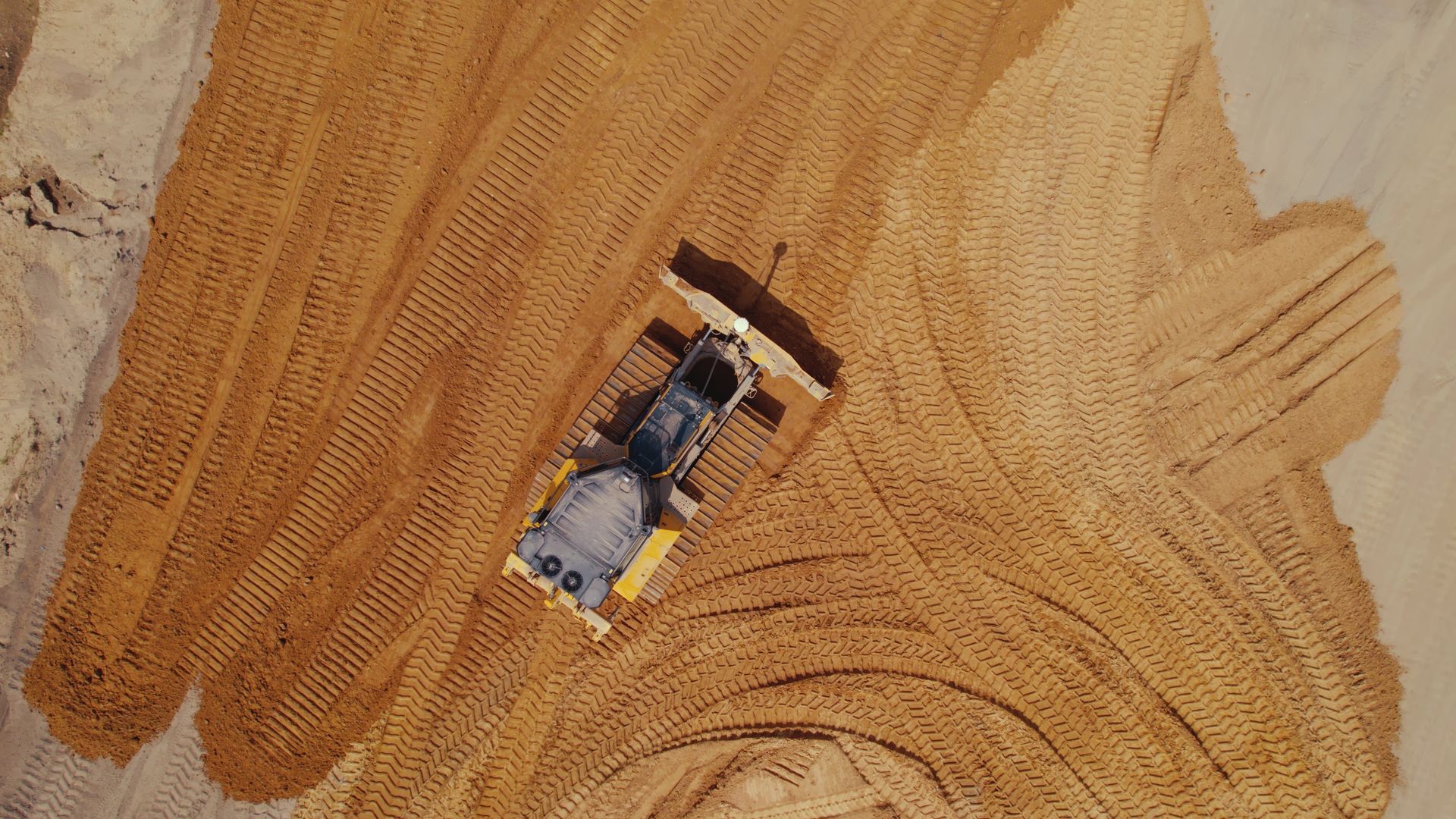
The grading process begins with identifying where water currently collects or flows, marking elevations with survey equipment, and calculating cut-and-fill volumes required to establish target slopes. Equipment operators use GPS-assisted grade control or laser receivers mounted on dozer blades to achieve elevation accuracy within tenths of a foot across large work areas, ensuring water moves consistently without creating new low spots.
Once grading is completed, surface water follows planned pathways toward drainage swales, street gutters, or designated collection areas instead of pooling against structures or saturating yard zones. Ground elevations transition smoothly without abrupt grade breaks that concentrate flow or create trip hazards, and compacted soil surfaces resist erosion during moderate rainfall events.
This owner-operated service includes competitive pricing based on earthwork volume and site complexity, with insurance coverage protecting property during grading operations. The work integrates with drainage installations, driveway construction, and site preparation projects where elevation control supports multiple improvements simultaneously.
Common Questions About This Service
Property owners planning grading work often ask about timing, soil movement, and how long results last under changing weather conditions.
How much elevation change is needed to fix drainage problems?
Effective drainage grading typically requires slopes between two and five percent, meaning a ten-foot horizontal distance drops between 2.4 and 6 inches depending on soil type and runoff volume, with steeper slopes used where space is limited.
What happens to topsoil during grading work?
Topsoil is stripped and stockpiled separately before subgrade shaping begins, then redistributed across finished elevations to restore planting depth and prevent clay subsoil from being exposed at the surface.
When is the best time to schedule grading in northwest Ohio?
Late spring through early fall provides dry soil conditions that compact predictably and allow equipment to work without creating rutting, though grading can proceed during winter months when frost-free ground and project timelines align.
How long does graded soil take to stabilize?
Compacted fill settles minimally within the first month after grading, with final stabilization occurring after several freeze-thaw cycles and rainfall events test the soil structure and reveal any areas requiring touch-up work.
What maintains grading results over time?
Proper compaction during grading, establishment of grass or groundcover to prevent erosion, and periodic inspection of drainage pathways to remove debris or sediment buildup preserve slope function and prevent new low spots from forming.
Total Terrain Solutions and Equipment offers insured grading services backed by owner-operated workmanship and competitive pricing tailored to property conditions. Request a free estimate to review elevation requirements and drainage objectives specific to your site.